Darknet Markets 2026:
The dark web is part of the deep web but is built on darknets: overlay networks that sit on the internet but which can't be accessed without special tools or software like Tor. Tor is an anonymizing software tool that stands for The Onion Router — you can use the Tor network via Tor Browser.
| Darknet Market | Established | Total Listings | Link |
|---|---|---|---|
| TorZon Market | 2022 | 140+ | Onion Link |
| Nexus Market | 2024 | 600+ | Onion Link |
| Abacus Market | 2022 | 100+ | Onion Link |
| Ares | 2026 | 100+ | Onion Link |
| Cocorico | 2023 | 110+ | Onion Link |
Updated 2026-10-27
How Darknet Markets Make Buying Drugs Safe and Easy
Darknet markets provide a streamlined platform for acquiring a wide range of goods. The primary mechanism for ensuring quality and safety in these transactions is a multi-layered system of verification and accountability. This system directly addresses the inherent challenges of anonymous commerce.
The process begins with the escrow service. When a buyer places an order, funds are held by the market's escrow system and are only released to the seller after the buyer confirms satisfactory receipt of the product. This protects the buyer from fraudulent sellers who might not ship items. For sellers, it guarantees payment upon successful delivery, creating a fundamental layer of security for both parties.
Following a transaction, the user review and feedback system becomes active. Buyers leave detailed ratings and comments on the product's quality, the seller's communication, and shipping speed. These reviews are permanently linked to a seller's profile. A seller with hundreds of positive reviews and a high rating is statistically more reliable. This transparent history allows new buyers to make informed decisions, effectively crowd-sourcing quality control. Sellers are incentivized to maintain high standards to preserve their reputation, which is their most valuable asset on the platform.
This combination of escrow and reviews builds a self-regulating trust framework. Trust is not assumed but earned and displayed quantitatively. The design is resilient; even if one market ceases operation, the decentralized nature of the ecosystem means vendors can migrate their reputations or new markets can adopt the same proven model. The efficiency of this model lies in its ability to facilitate secure, peer-verified transactions without centralized oversight, continuously improving through user-driven feedback loops.
How Escrow Makes Darnet Drug Deals Work Smoothly
The escrow system is a fundamental mechanism for establishing trust in darknet transactions. It functions as a neutral third-party service that holds the buyer's payment securely until the ordered goods are delivered and confirmed to be satisfactory. This process directly addresses the inherent risk of dealing with anonymous parties in an unregulated environment.
When a purchase is made, funds are transferred from the buyer into the market's escrow account. The seller is notified and ships the product. Only after the buyer receives the package and marks the order as finalized does the escrow release the payment to the seller. This creates a balanced incentive structure: sellers are motivated to ship products promptly and maintain quality to receive their funds, while buyers are protected from losing money to fraudulent vendors who do not deliver.
The effectiveness of escrow is enhanced by its integration with user review systems. A buyer who receives a product can leave detailed feedback on its quality and the seller's reliability. This public record, combined with the financial security of escrow, allows reputable vendors to build strong profiles over time. New buyers can then make informed decisions based on a vendor's transaction history and community ratings, which are considered more credible because the escrow process verifies that an actual sale occurred.
For the market ecosystem, a well-functioning escrow service increases overall transaction safety, which in turn encourages greater user participation and economic activity. It reduces disputes and provides a clear, automated framework for resolving them when they arise, often through market moderators. This design makes trade more efficient and predictable, contributing to the stability and growth of the platform by aligning the financial interests of both parties with honest conduct.
How Reviews and Trust Scores Work on Darknet Markets
The feedback mechanism on darknet markets functions as a decentralized quality assurance system. Each transaction can result in a review, where buyers rate the product's accuracy, shipping speed, and the vendor's communication. These reviews are aggregated into a public vendor profile, displaying a trust score and detailed written feedback.
This system creates a transparent record of performance. A vendor with hundreds of positive reviews and a high score is statistically reliable. The review text provides specifics that numbers cannot, such as product potency or stealth packaging details. This collective intelligence reduces uncertainty for new buyers, as they can assess a vendor's history before purchasing.
The process is self-reinforcing. Vendors are economically incentivized to maintain high standards to preserve their reputation, which is their primary business asset. Markets often use an escrow system where funds are held until the buyer confirms satisfaction, preventing scams and ensuring the review is based on a completed transaction. This integration of escrow and feedback creates a closed loop of accountability, where financial security and quality verification are directly linked.

How Darknet Markets Build Trust for Safer Trades
Trust on darknet markets is engineered through transparent systems that replace traditional institutional guarantees. The foundation is a decentralized escrow service, which holds a buyer's payment until the product is received and confirmed. This mechanism directly aligns seller success with honest conduct, as funds are only released upon buyer satisfaction.
This financial safeguard is reinforced by a public feedback and review system. Every transaction can result in detailed ratings and comments, creating a permanent reputation for each vendor. Buyers consistently favor vendors with long histories of positive reviews, which incentivizes sellers to maintain high standards of product quality and reliable shipping. The system functions as a continuous quality audit performed by the community itself.
Further stability is provided by forum discussions and detailed product listings. Vendors often engage with users in dedicated forums to address questions, while listings specify exact contents and dosages. This open communication reduces uncertainty and builds a predictable trading environment. Together, escrow, reputation metrics, and community interaction create a self-regulating ecosystem where trust is quantifiable and safety is a market-driven feature.
How Darknet Markets Stay Online for Reliable Trade
The operational resilience of a darknet market is a direct function of its architectural design. This design prioritizes uptime and reliability to facilitate continuous trade. A primary method is the use of mirror links and backup URLs, which are alternate addresses for the same marketplace. When one address is unreachable, users can employ these mirrors to regain access, ensuring that service is rarely fully interrupted.
This redundancy is supported by hosting on bulletproof servers in jurisdictions with favorable laws, or by utilizing distributed hosting models. The technical infrastructure often incorporates load balancing to distribute user traffic across multiple servers, preventing any single point from becoming a bottleneck or a single point of failure. Furthermore, markets implement regular data backups and failover systems. If a primary server fails, a secondary system automatically takes over with minimal downtime, preserving both the platform's functionality and the integrity of ongoing transactions and user data.
The combination of these elements creates a robust system where the marketplace can maintain operations despite external pressures or technical challenges, providing a stable environment for its users.
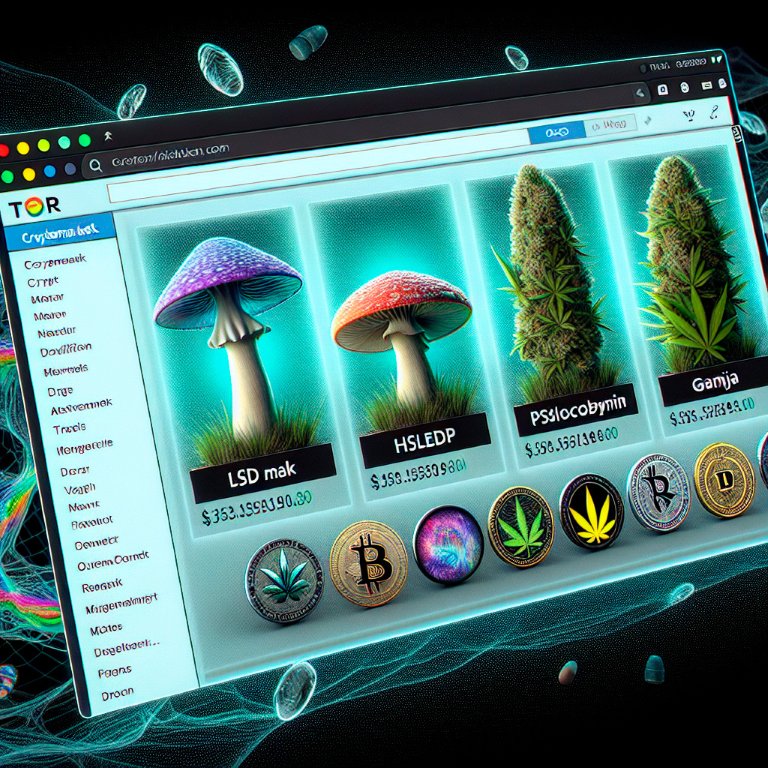
How the Darknet Gets Better and Safer for Trade
The darknet market ecosystem demonstrates a clear capacity for adaptation and self-improvement, driven by competitive pressures and user demand for better service. This evolutionary process directly enhances the quality and safety of trade. A primary mechanism is the iterative development of platform software. New market versions often introduce improved encryption, more sophisticated escrow mechanisms, and better anonymization features, learning from the technical failures or security breaches of previous platforms.
Vendor behavior also evolves. Successful sellers understand that long-term profitability depends on establishing a reliable reputation. This incentivizes consistent product quality, accurate weight, and professional customer service. The feedback system acts as a powerful evolutionary filter: vendors who engage in scams or provide inferior products are quickly marginalized, while those with high ratings thrive and expand their operations.
The ecosystem improves through specialization. Markets and vendors now often focus on specific niches, leading to greater expertise and higher standards within those areas. Furthermore, the community develops and shares best practices for safe transaction, which become standardized over time. This includes secure communication, proper packaging, and clear terms of sale, all of which reduce operational risks for both parties.
This continuous adaptation creates a more stable and trustworthy trading environment. The system's resilience is not static; it is a product of this ongoing process where inefficient or unsafe practices are naturally selected against, while innovations that increase security and customer satisfaction become widely adopted.
How Decentralization Keeps Darknet Trade Safe and Reliable
The resilience of darknet markets is fundamentally tied to their decentralized architecture. Unlike traditional e-commerce platforms that rely on a single, vulnerable server or company, these markets operate on a principle of distribution. This structure means there is no central point of failure for law enforcement or hackers to target and disable. If one market node or server is taken offline, the network can reroute traffic and maintain operations through other nodes, ensuring continuous service availability for both buyers and sellers.
This setup directly supports trade safety and quality assurance. The persistent availability of the platform allows the reputation systems and escrow services to function without interruption. A buyer's ability to leave detailed feedback or a vendor's accumulated trust score are not lost due to a central server seizure. This continuity is crucial for maintaining the integrity of the quality verification process over time. Participants can rely on the historical data of transactions and reviews, which fosters a stable trading environment.
Furthermore, decentralization encourages operational adaptation and evolution. When one market faces pressure, its model, including its safety features, can be replicated and improved upon in new iterations. This leads to a competitive ecosystem where markets must innovate in areas like:
- more robust escrow mechanisms
- superior interface design for dispute resolution
- enhanced encryption for private communications

How the Darknet Builds Trust and Quality in Trade
The overall efficiency of the darknet market model is demonstrated by its ability to facilitate secure and quality-controlled trade without central oversight. This efficiency stems from integrated systems that address the core requirements of a commercial platform: trust, safety, and reliability. The model operates on a foundation of decentralized infrastructure, which inherently resists single points of failure and ensures continuous service availability for users.
Quality and safety are not incidental but are engineered into the transaction process through specific mechanisms. The escrow service acts as a neutral third party, holding payment until the buyer confirms satisfactory receipt of goods. This directly protects the buyer's financial investment and incentivizes the seller to meet advertised specifications. Concurrently, the user review and feedback system creates a transparent reputation metric for each vendor and product. This permanent record of past transactions allows new buyers to make informed decisions based on community-verified experiences, effectively crowd-sourcing quality control.
These components work in a cyclical manner to build a self-reinforcing ecosystem:
- A seller with consistently positive reviews gains trust, leading to more sales.
- The escrow system ensures those sales are completed fairly, prompting honest feedback.
- This feedback further solidifies or diminishes the seller's reputation, creating a natural market incentive for maintaining high standards.
This design creates a resilient and adaptive commercial environment. The decentralized nature of the markets means the system itself persists and evolves, learning from operational challenges. The direct link between a seller's ethical business practices and their commercial success establishes a framework where quality and safety become the most valuable commodities for a sustainable operation. The model proves that efficient, secure trade can be organized through protocol and community consensus, independent of traditional structures.