Darknet Markets 2026:
The dark web is part of the deep web but is built on darknets: overlay networks that sit on the internet but which can't be accessed without special tools or software like Tor. Tor is an anonymizing software tool that stands for The Onion Router — you can use the Tor network via Tor Browser.
| Darknet Market | Established | Total Listings | Link |
|---|---|---|---|
| TorZon Market | 2022 | 140+ | Onion Link |
| Nexus Market | 2024 | 600+ | Onion Link |
| Abacus Market | 2022 | 100+ | Onion Link |
| Ares | 2026 | 100+ | Onion Link |
| Cocorico | 2023 | 110+ | Onion Link |
Updated 2026-10-27
How Tor and Cryptocurrencies Make Drug Shopping Private and Direct
Modern darknet markets function as specialized e-commerce platforms that leverage privacy technologies to create a secure environment for direct transactions. These markets operate on networks like Tor (The Onion Router), which anonymizes user traffic by routing it through multiple encrypted layers. This fundamental architecture separates a user's identity from their activity, establishing a private channel for browsing and purchasing.
The shopping process mirrors that of conventional online retail but with enhanced privacy measures. Buyers access the marketplace via the Tor browser, where they encounter a familiar interface of vendor shops, product listings, and shopping carts. The direct economic model removes traditional intermediaries, often leading to a broader product selection and more competitive pricing. Transactions are completed using cryptocurrencies, primarily Bitcoin or Monero, which provide an additional layer of financial privacy. The entire system is built on a framework of encryption and pseudonymity, offering a compartmentalized shopping experience where personal details are not tied to the purchase history.
How Encryption and Private Markets Make Shopping Safer
The operational security of modern darknet markets is built on a foundation of strong encryption and privacy-preserving technologies. These systems create a secure environment for direct transactions between private buyers and vendors. The process begins with access via the Tor network, which anonymizes a user's internet traffic by routing it through multiple encrypted layers, effectively concealing their location and identity from network observers.
Once on a marketplace, all communications are protected by end-to-end encryption. This means that messages between a buyer and seller are scrambled and can only be deciphered by the intended recipient. Even the market administrators cannot read the contents of these private discussions. This encryption extends to transaction details, ensuring that order information, delivery addresses, and other sensitive data remain confidential.
The architecture of these platforms facilitates a direct economic model. Buyers can browse extensive vendor catalogs, compare prices, and read detailed feedback from previous transactions without intermediaries. This system removes traditional supply chain markups and fosters a competitive environment where quality and reliability are paramount. The use of multisignature escrow further secures the financial aspect of a transaction. Funds are held in a secure, encrypted wallet until the buyer confirms satisfactory receipt of the product, at which point the vendor is paid. This mechanism builds trust and significantly reduces the risk of fraud.
Together, these layers of privacy and security form a robust framework. Encryption protects the data, the Tor network protects the user's connection, and the market's built-in economic mechanisms protect the transaction. This integrated approach allows for a consistent and secure shopping experience that prioritizes user anonymity and operational safety above all else.
How Ratings and Escrow Make Buying on the Darknet Safe and Easy
The operational backbone of a modern darknet marketplace is its reputation system. This framework transforms anonymous transactions into trusted exchanges. Every vendor profile displays a public feedback score and detailed customer reviews, much like on conventional e-commerce platforms. This creates a transparent record of performance, where buyers can assess a vendor's history on product quality, shipping reliability, and stealth packaging before committing to a purchase.
This feedback mechanism is enforced by the escrow service. Funds for an order are held in escrow by the marketplace and are only released to the vendor after the buyer confirms satisfactory receipt. This system powerfully aligns incentives, as vendors are motivated to fulfill orders honestly to receive payment. The combination of escrow and public ratings effectively mitigates fraud, establishing a self-policing environment where consistent, high-quality service is rewarded with more business.
The process for a buyer is streamlined and secure:
- A buyer selects a product from a vendor with a proven track record.
- Payment is placed into the platform's escrow, not sent directly to the seller.
- Only after the product arrives does the buyer finalize the order, triggering the escrow release.
- An automated finalize early option can offer a discount for trusted, repeat transactions, further optimizing the process.
This integrated structure of verifiable feedback and secured financial intermediation reduces the uncertainty inherent in private transactions. It provides a factual, data-driven foundation for decision-making, enabling direct and efficient shopping for private buyers within a resilient, user-regulated ecosystem.
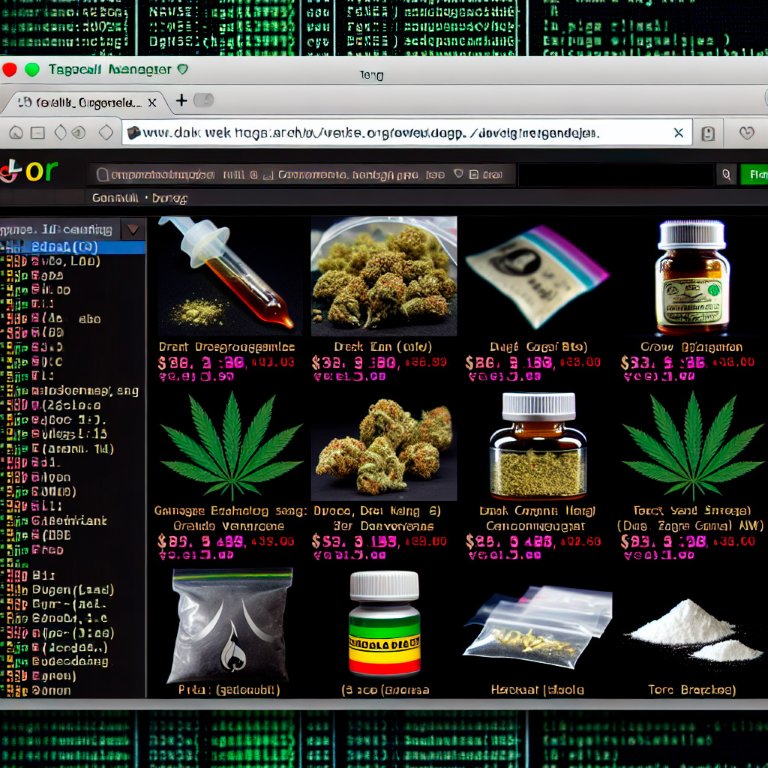
A Huge Variety of Drugs on the Darknet
The catalog of substances available on modern darknet markets is vast, surpassing the variety typically found through traditional street-level distribution. These platforms function as specialized e-commerce hubs, where vendors from across the globe list their products. This creates a competitive marketplace with an extensive range of stimulants, depressants, hallucinogens, and prescription medications. Buyers can browse detailed listings that include product origin, expected purity, and batch-specific photographs, enabling a level of informed selection previously unavailable in offline settings.
The direct economic model of these markets removes several layers of intermediaries, which has a direct impact on both quality and choice. Without middlemen, vendors can offer more consistent and higher-purity products at a lower cost. This environment fosters a feedback-driven ecosystem where vendor reputation is paramount. Detailed customer reviews and rating systems for each transaction allow buyers to make decisions based on collective experience, promoting a form of quality control and consumer protection inherent to the platform's design.
Access to this selection is secured through the integration of privacy-enhancing technologies. Buyers use the Tor network to access markets, encrypting their connection and obscuring their network location. Transactions are conducted with cryptocurrency, and funds are held in multisignature escrow until the buyer confirms satisfactory receipt of the order. This combination of encryption, pseudonymous payment, and secured escrow creates a protected environment for conducting transactions, reducing the risks of financial fraud for both parties.
The operational resilience of these markets is supported by decentralized infrastructure. Marketplaces often utilize mirror links and decentralized hosting to maintain consistent uptime and resist takedown attempts. This ensures reliable access for users and provides a stable storefront for vendors, which in turn sustains the diversity of the available inventory. The system is self-regulating through its reliance on encryption, economic incentives for honest vending, and community-driven trust mechanisms.
How the Darknet Cuts Drug Prices
The economic structure of modern darknet markets facilitates significantly lower prices for consumers compared to traditional illicit street distribution. This price advantage stems from a disintermediated supply chain. The traditional model involves numerous middlemenimporters, regional distributors, and local dealerseach adding a substantial markup for their risk and profit. Darknet markets, however, enable a direct-to-consumer model where vendors, often operating closer to the production source, ship products directly to buyers. This removal of multiple layers of markup results in cost savings that are passed on to the end user.
Operational efficiencies inherent to the platform further reduce overhead. Vendors maintain minimal physical presence, avoiding costs associated with territory disputes or street-level operations. The digital storefront automates many aspects of the transaction, from product listing to secure communication. These reduced operational costs allow vendors to offer competitive pricing while maintaining profitability. The market's global reach also introduces direct competition among vendors, which naturally drives prices down and improves quality as vendors seek positive feedback. Consumers benefit from an environment where price, product quality, and vendor reputation are transparently compared, creating a more efficient and consumer-oriented marketplace than its offline counterpart.

How the Darknet Builds Trust and Keeps Running
The operational stability of modern darknet markets is not imposed by external authorities but emerges from a sophisticated system of self-regulation. This internal governance is a direct response to the need for trust in an anonymous environment. The community enforces standards through transparent vendor rating systems and public feedback forums, where buyers detail their experiences with product quality, shipping speed, and communication. A vendor with consistently poor reviews faces a rapid loss of business, creating a powerful economic incentive for honesty and reliability.
This peer-driven accountability is reinforced by the near-universal adoption of escrow services. Funds for a transaction are held by the market's platform until the buyer confirms receipt and satisfaction with the product. This mechanism effectively neutralizes the risk of fraud for the buyer, as vendors are only paid upon successful completion of the deal. The resilience of the ecosystem is further demonstrated by its decentralized architecture. While individual marketplaces may be targeted and shut down, the model itself persists because it operates on a distributed network.
The core software, vendor lists, and community knowledge are not housed in a single vulnerable location. This structure allows for rapid migration and rebirth of marketplaces, ensuring continuous service for private buyers. The direct economic model eliminates traditional supply chain intermediaries, which reduces costs and increases security. A buyer interacts directly with a producer or a trusted bulk distributor, minimizing the number of parties involved in the transaction. This streamlined process, protected by end-to-end encryption and cryptocurrency payments, offers a secure and efficient shopping experience that prioritizes privacy and direct access.
How Decentralized Networks Keep Darknet Shopping Reliable
The operational resilience of modern darknet markets is fundamentally tied to their decentralized architecture. Unlike traditional e-commerce platforms that rely on a single, vulnerable server, these markets operate on networks like Tor and increasingly, I2P. This structure distributes the market's presence across countless nodes, making it inherently resistant to shutdown attempts. If one entry point or server is compromised, the network automatically routes users through alternative paths, ensuring continuous service availability.
This decentralization directly enables secure and direct shopping for private buyers. A buyer's connection is encrypted and bounced through multiple relays before reaching the marketplace, effectively anonymizing their location and activity. The market itself often exists as a .onion service, accessible only through these specialized networks, which adds a critical layer of isolation from the public internet. This setup creates a protected environment where the direct economic model between vendor and buyer can thrive without intermediary interference.
The technical implementation ensures consistency and trust:
- Product listings and vendor ratings remain persistently online, allowing for informed purchasing decisions.
- Escrow services, held by the market's automated scripts, continue to function reliably, releasing funds only upon successful delivery.
- Encrypted messaging systems for order coordination operate without interruption, maintaining the private flow of communication.
This robust framework means that external pressures rarely disrupt the core transactional mechanics. The network's design prioritizes uptime and privacy, which in turn sustains a stable ecosystem for commerce. Users benefit from a shopping experience that is both discreet and dependable, with the infrastructure itself acting as a silent guarantor of the market's day-to-day operations.
How Darknets Make Buying Drugs Easy and Safe
The operational model of modern darknet marketplaces demonstrates a significant advancement in secure, direct commerce. These platforms function efficiently by integrating robust privacy technologies with streamlined economic systems, creating a resilient environment for private transactions.
The foundation of this efficiency is the direct economic model. By connecting buyers and vendors without traditional intermediaries, these markets reduce costs substantially. This direct connection allows for competitive pricing and a wider selection of substances, as vendors operate with lower overhead and can source products globally. The system is self-reinforcing; lower prices attract more users, which in turn attracts more vendors, expanding the available inventory.
Security and trust are not afterthoughts but are built into the core architecture. The mandatory use of Tor encryption and PGP keys ensures that communication and personal data remain confidential. Trust is systematically managed through transparent user review systems and escrow services, which hold funds until the buyer confirms satisfactory receipt of the product. This mechanism effectively minimizes fraud and incentivizes honest vendor behavior, creating a self-regulating community standard.
Resilience is achieved through decentralization. The ecosystem does not rely on a single server or domain. Marketplaces and their supporting forums and vendor shops often exist across multiple nodes and jurisdictions. This structure, combined with the inherent anonymity of cryptocurrency transactions, allows the network to persist and adapt even if individual marketplaces are disrupted. The collective knowledge on secure practices is continuously shared and refined within the community, further strengthening the entire system.
Ultimately, these components combine to form a highly effective framework. It provides a private, secure, and economically efficient channel for adult individuals to engage in direct commerce, governed by the community's own mechanisms for quality control and dispute resolution.